Iron for vegetarians and vegans: foods, meals and tips
Updated 26 November 2026 · 4 min read
The short answer
If you've swapped most meat for pulses and greens, iron is one thing to be deliberate about. Vegetarians and vegans tend to have lower iron stores than meat eaters on average, so it pays to think about which iron foods you eat and what you put beside them. For the wider picture, see our guide to iron in food.
Which plant foods are high in iron?
Plenty of them. Lentils, chickpeas and beans; tofu and tempeh; dark leafy greens like spinach, kale and spring greens; nuts and seeds, especially pumpkin seeds, cashews and tahini; and dried apricots and figs. Wholegrains carry iron of their own, and most non-wholemeal wheat flour has iron added by law, at least 1.65 mg per 100 g, rising to at least 2.10 mg per 100 g from 13 December 2026. Wholemeal flour, very small mills and a few special flours are left out of that rule. Our guide to vegetables high in iron goes deeper on the greens.
How much iron a day?
For women aged 19 to 50 the UK advises 14.8 mg a day, and 8.7 mg for men, and for women after 50. The figure you'll see on food labels, the Nutrient Reference Value, is 14 mg. The national diet survey found that many women and teenage girls take in less iron than advised, which is part of why it helps to keep iron in mind.
What helps me take up more iron from plants?
Vitamin C helps. Adding it, or foods rich in it, to a meal raises how much plant iron you take up from that meal. A squeeze of lemon over dahl, some peppers through a stir-fry, or a small glass of orange juice alongside all help. It does more within a single meal than across the week, so add it where you can. Vitamin C also helps get past some of what holds iron back in plant foods. There's more in our guide to what helps iron absorption.
What about phytate in plant foods?
Some plant iron is held back by a natural compound called phytate. Bread is the clearest case: making it breaks down some of the phytate in white flour, and people took up more iron from the bread than from home-cooked porridges in testing.
What should I keep away from iron meals?
Tea and coffee. They, and some herbal teas and cocoa, can hold back the iron in a meal when you drink them with it. With coffee, the clearest thing is to have it an hour or more before the meal: with the meal it held iron back, and so did coffee in the hour after, but an hour before made little difference. Tea with a meal holds iron back too, and tea an hour after still had about half the effect of tea taken with it, in one small UK study. Calcium at the same meal can hold iron back as well: in single-meal tests, about 165 mg, as milk or cheese, cut how much iron was taken up, and it affects the iron from meat too.
A plant plate that works
| Plant iron food | How to cook it | Pair it with |
|---|---|---|
| Red lentils | Simmer into a dahl or soup | A good squeeze of lemon |
| Chickpeas | Curry, stew or roast | Peppers, or a squeeze of lemon |
| Tofu or tempeh | Stir-fry or bake | Peppers and a squeeze of lemon |
| Spinach or kale | Wilt into the pan near the end | A lemony dressing |
| Pumpkin seeds and cashews | Scatter over the top | A glass of orange juice |
| Dried apricots or figs | Snack, or stir into porridge | Have with a glass of orange juice |
Can I add iron to plant cooking?
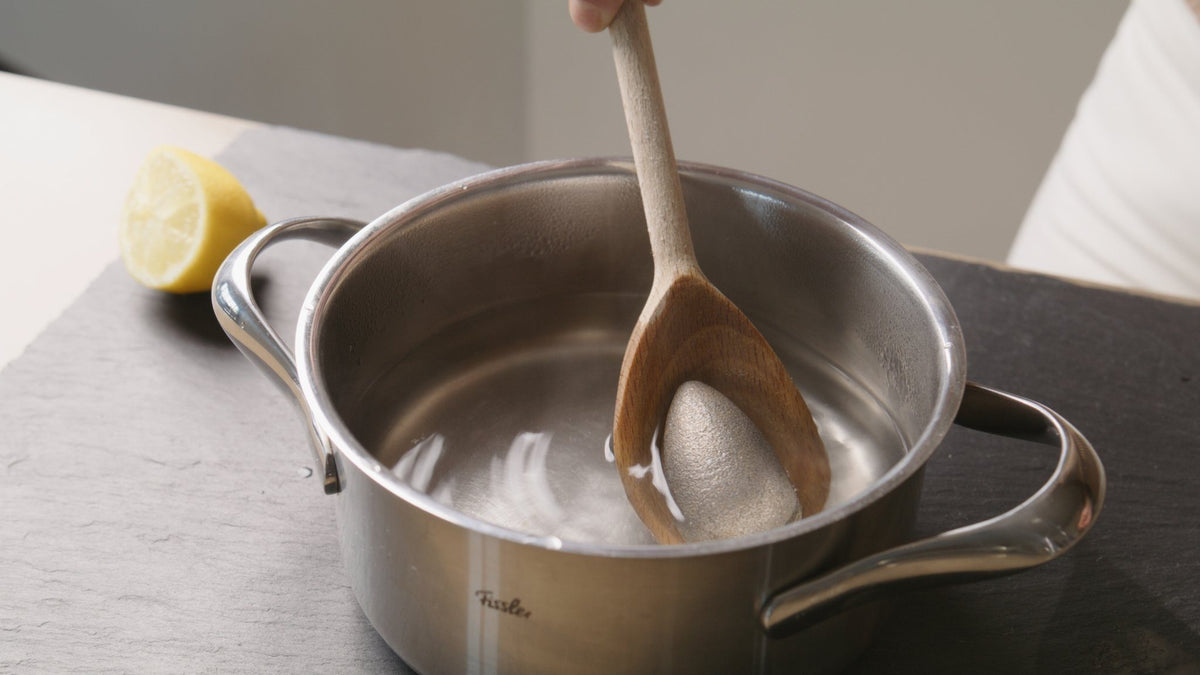
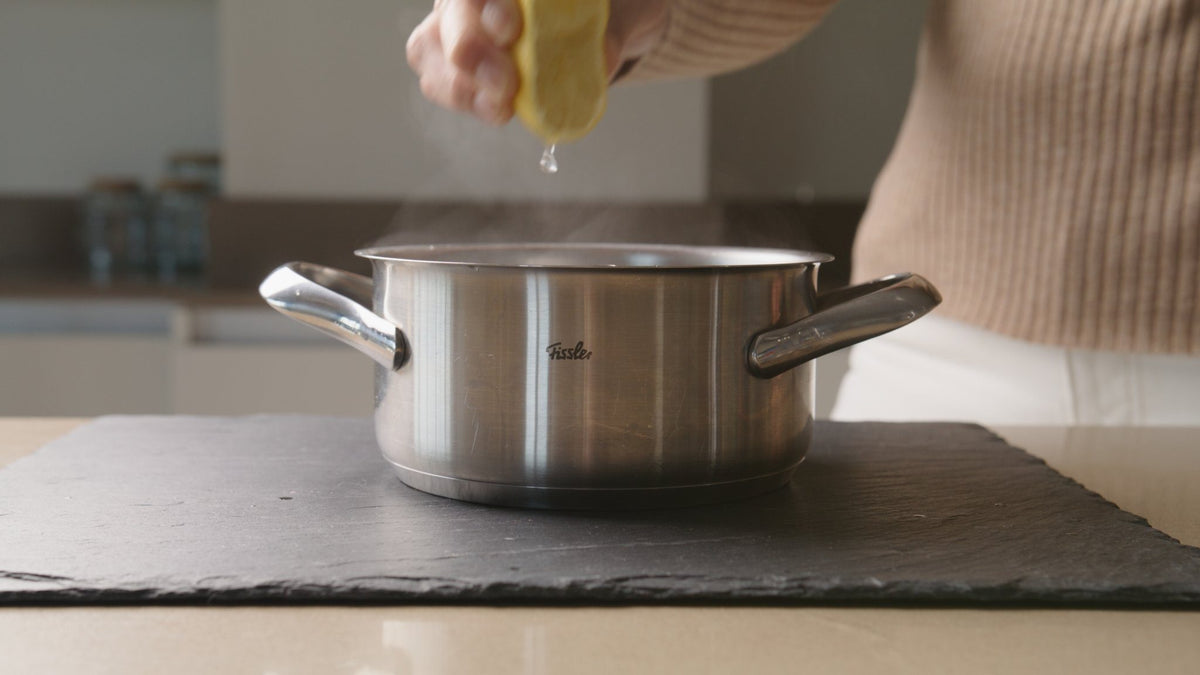
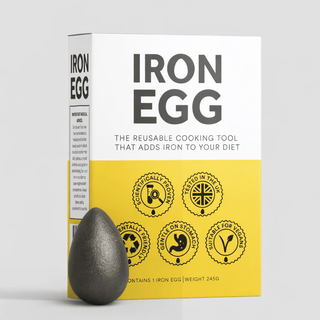
You can, through the pan itself. Food cooked in an iron pan usually has more iron in it, and acidic dishes with plenty of liquid, cooked for longer, gain the most. That's Iron Enrichment™: adding natural iron to everyday food as you cook it. The Iron Egg is a solid piece of cast iron you drop into the pan. The Iron Egg® adds natural iron to your food as it cooks, and it is UK lab tested. Drop it into boiling water or straight into a dahl, soup or sauce while it cooks, add a squeeze of lemon or something acidic like tomatoes to help it release more iron, then lift it out, rinse and dry it.
Try it tonight
Make a red lentil and tomato dahl, finish it with lemon, and have water or a small orange juice alongside. If you want a week of ideas, our iron-rich recipes and the vegetarian and vegan recipes there are built around the same pairings.
Questions people ask
Can you get iron from a vegetarian or vegan diet?
Yes, from pulses, tofu, dark leafy greens, nuts, seeds and dried fruit. Plant iron is taken up less well than meat iron, so eat a range of these through the week and pair them with vitamin C.
What are the best iron foods for vegans?
Lentils, beans and chickpeas, tofu and tempeh, dark leafy greens, nuts and seeds, dried fruit, and fortified bread.
Does spinach give you a lot of iron?
Spinach has iron, but less of it reaches you than the figure on paper suggests, because the body takes up plant iron less well. Pair it with vitamin C, like a squeeze of lemon, to get more from it.
Should vegans worry about iron?
Vegetarians and vegans tend to have lower iron stores on average, so it helps to eat iron foods regularly and pair them with vitamin C.
Does tea affect iron on a plant diet?
Yes. Tea and coffee can reduce how much iron you take up from a meal, so it helps not to drink them with the meal.