What helps iron absorption: food pairings that work
Updated 26 November 2026 · 4 min read
The short answer
Picture two bowls of the same lentil soup. Have one with a glass of orange juice and the other with a mug of tea, and your body takes up more iron from the first, though the soup is identical. What you eat and drink alongside a meal changes how much of its iron gets through. Set it up well and the iron foods you already cook count for more.
Why doesn't my body take up all the iron I eat?
Your gut only takes up a share of the iron you eat, and that share shifts with the iron's form and the rest of the meal. The iron in meat and fish, called haem iron, is taken up more easily. The iron in plants, non-haem iron, is taken up less readily. So what you put on the plate alongside your iron foods changes how much of it you take up.
What helps iron absorption?
Start with vitamin C. Adding it, or foods rich in it, to a meal raises how much non-haem iron you take up from it. In practice that means a squeeze of lemon over lentils, some peppers in the pan, or a small glass of orange juice with the meal. In testing, orange juice with a meal raised iron absorption while tea and coffee lowered it. The lift is bigger within a single meal than across the whole week, so add it where you can and don't count on it alone.
Does vitamin C really work, or is it a myth?
It works, within limits. In testing, about 30 mg of vitamin C offset the effect of phytate in a bread meal. It helps most within a single meal, so put a vitamin C food on the plate with your iron foods.
What stops iron being absorbed?
A few everyday drinks and foods work against it. Tea and coffee do, and so do some herbal teas and cocoa, when you drink them with the meal. Calcium works against it too: about 165 mg, the sort in milk or cheese, cut iron absorption by around half in a single-meal test, and it affects the iron from meat as well. Some plant foods also hold iron back with a natural compound called phytate; vitamin C at the meal helps offset it. For more on each of these, see our guide to what blocks iron absorption.
When should I have my tea and coffee?
A good rule is not to drink them with the meal. Coffee an hour before a meal made little difference to iron absorption, while coffee with the meal, or in the hour after it, lowered it just the same. Tea an hour after a meal had about half the effect of tea taken with it, in one small UK study. So with coffee, the clearest thing is to drink it an hour or more before the meal.
The iron pairing cheat sheet
| Helps your body take up iron | Holds iron back at the meal |
|---|---|
| A squeeze of lemon | Tea and coffee |
| Some peppers on the plate | Some herbal teas and cocoa |
| Vitamin C added to the meal itself | Milk in the same meal |
| A small glass of orange juice | Cheese in the same meal |
Can how I cook change how much iron I get?
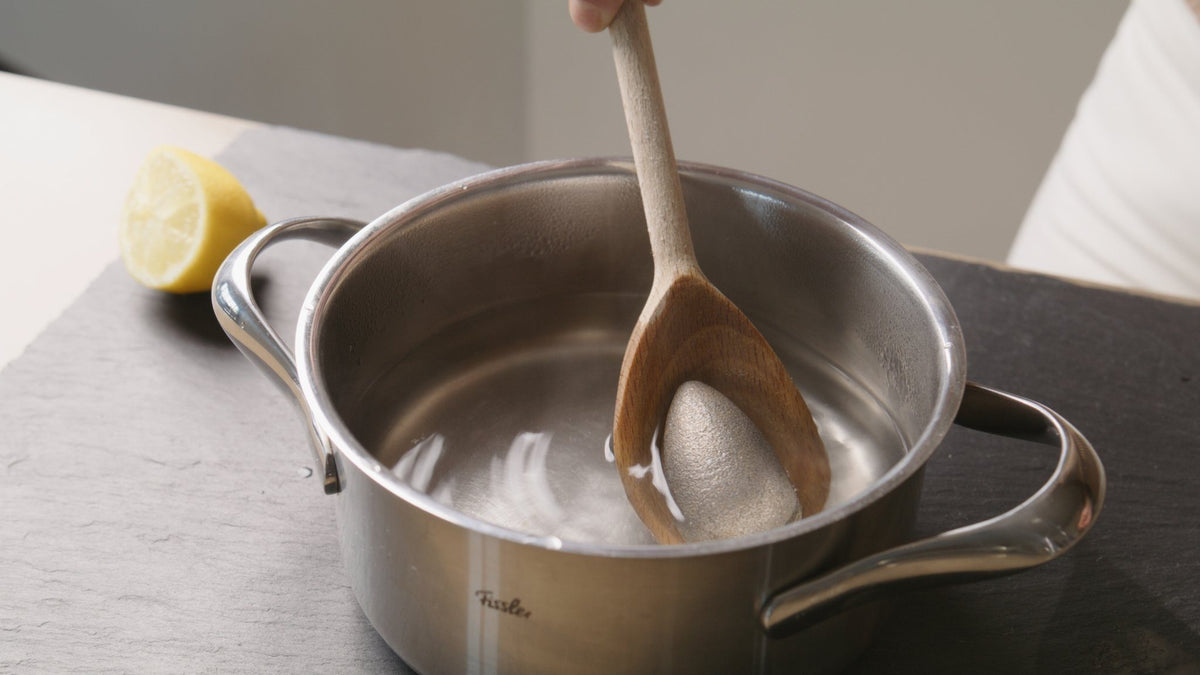
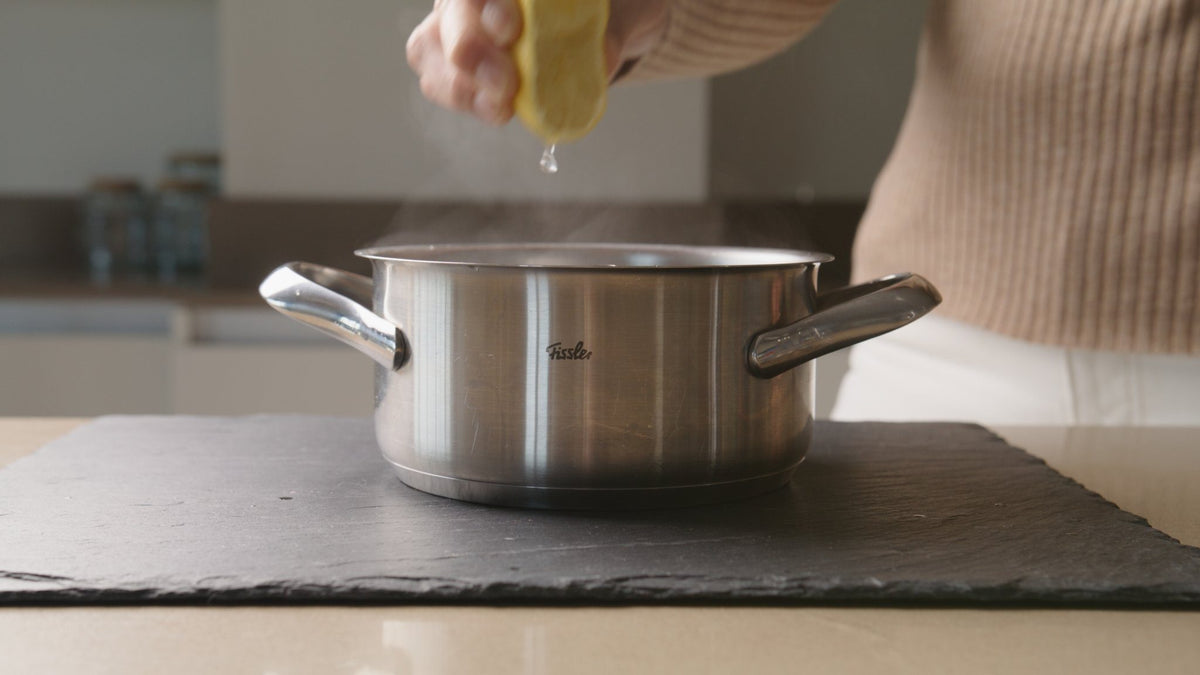
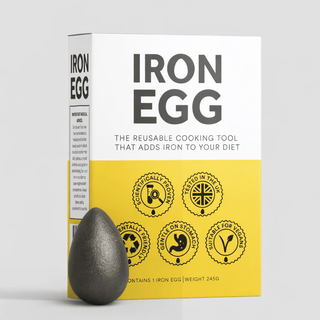
Yes, in two ways. Making bread with white flour gave higher iron absorption than home-cooked porridges in one set of tests. And food cooked in an iron pan usually has more iron in it, especially acidic dishes with plenty of liquid, cooked for longer. That second idea is Iron Enrichment™: adding natural iron to everyday food as you cook it. It's the thinking behind the Iron Egg, a solid piece of cast iron you drop into the pan. The Iron Egg® adds natural iron to your food as it cooks, and it is UK lab tested. Drop it into boiling water with a squeeze of lemon, or into a soup, stew or sauce while it cooks with something acidic like tomatoes to help it release more iron, then lift it out, rinse and dry it.
Try it tonight
Cook something you would eat anyway, a lentil soup, a bean chilli or a chickpea curry, and finish it with a squeeze of lemon. Have water or a small orange juice with it, and keep tea, coffee and some herbal teas out of the meal itself. For the foods to build these meals around, see our guide to iron in food, and our iron-rich recipes for more along these lines.
Questions people ask
Does vitamin C help iron absorption?
Yes. Vitamin C increases how much non-haem (plant) iron you take up from a meal, and it does more within that meal than across the week.
How much vitamin C do I need with an iron meal?
You don't need to measure it. Put a vitamin C food, like peppers or a small glass of orange juice, on the plate with your iron foods. In testing, about 30 mg of vitamin C offset the phytate in a bread meal.
Does tea really block iron?
Tea, coffee, some herbal teas and cocoa can all reduce how much iron you take up from a meal, so it is best not to drink them with the meal.
Does milk affect iron absorption?
Milk or cheese at the same meal can reduce how much iron you take up; in single-meal tests about 165 mg of calcium, the sort in milk or cheese, cut it by around half. It affects the iron from meat as well.
What two changes help iron absorption?
Put a source of vitamin C on the same plate as your iron foods, and don't drink tea or coffee with the meal.