Iron fortified foods in the UK: flour, bread and cereals
Updated 26 November 2026 · 3 min read
The short answer
Open the cupboard and some of what's in there carries iron you never added: the bread, the flour in the baking, some of the cereal. Flour is fortified because the law requires it. Breakfast cereals are different: where the box lists iron, the nutrition panel shows it.
Which UK foods have iron added to them?
Flour and some breakfast cereals. By law, most non-wholemeal wheat flour milled or sold in the UK has iron added to it, so ordinary white and brown bread carries some. Wholemeal flour sits outside that rule. It holds about 2.5 mg of iron per 100 g from the whole grain. Fortified cornflakes hold around 12 mg of iron per 100 g, while the same cereal unfortified holds under half a milligram. Where iron is listed, the nutrition panel on the box shows the amount.
How much iron does fortified flour add?
UK law requires at least 1.65 mg of iron per 100 g of most non-wholemeal flour until 13 December 2026, and at least 2.10 mg per 100 g from that date on. White bread lands at about 1.5 mg of iron per 100 g.
How much iron is in fortified breakfast cereals?
Where iron is listed, the nutrition panel on the box shows the iron line and the percentage beside it. A glass of orange juice with breakfast helps your body take up more of the iron; tea or coffee in the same meal hold it back.
What about bread, pasta and other flour foods?
If it's made with ordinary white or brown flour, it carries the added iron too. The exceptions are wholemeal flour, flour from very small mills, and a few special flours the regulations leave out. Pasta brings iron of its own: cooked white pasta is around 0.8 mg per 100 g, and wholewheat around 1.5 mg.
What does the iron percentage on a label mean?
It's measured against the Nutrient Reference Value, a single labelling figure that for iron is 14 mg a day. So a serving listing 25% iron gives about 3.5 mg, a quarter of that 14 mg.
Can I add iron to food I cook myself?
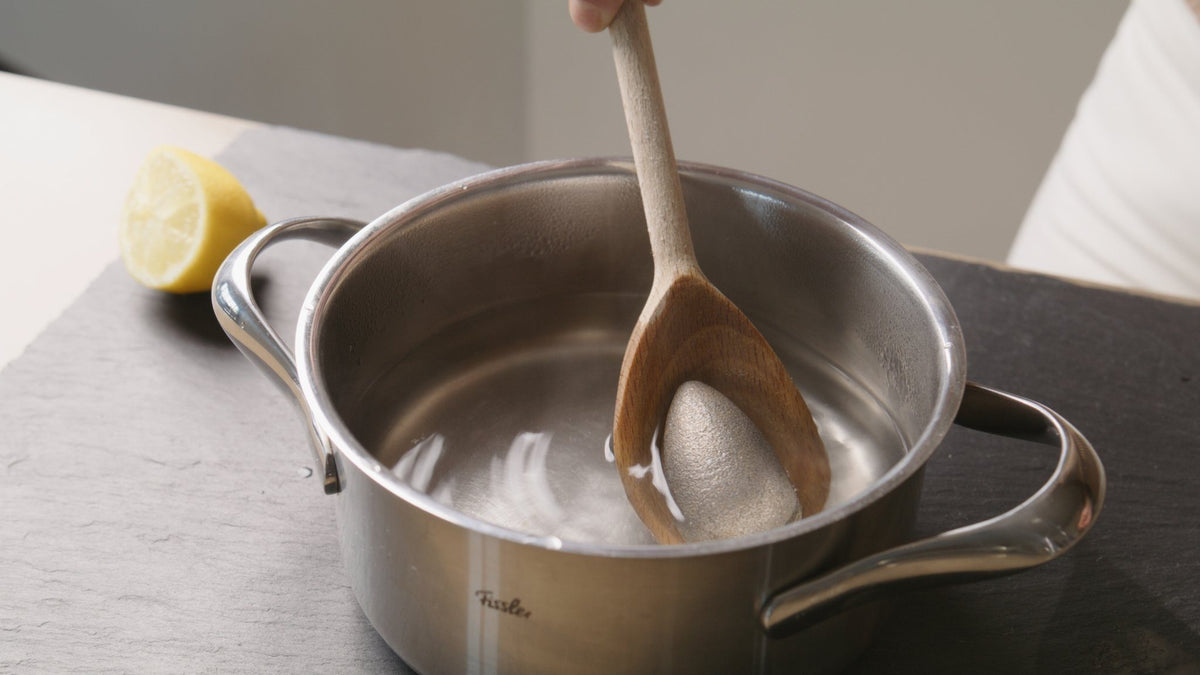
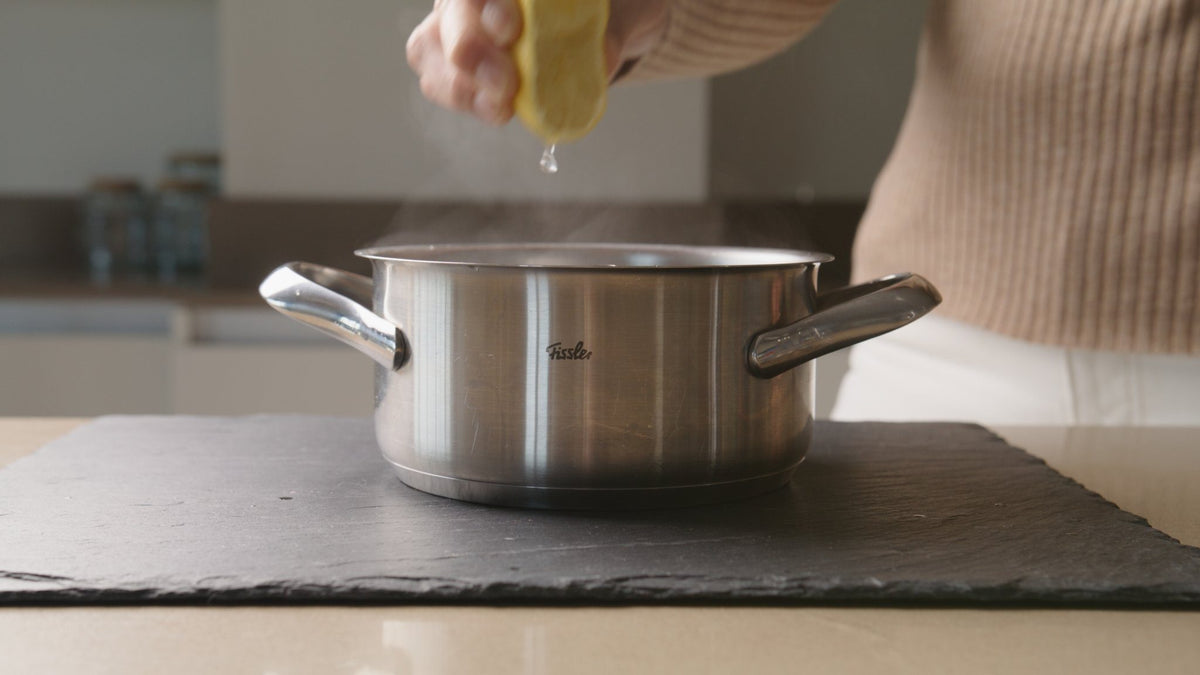
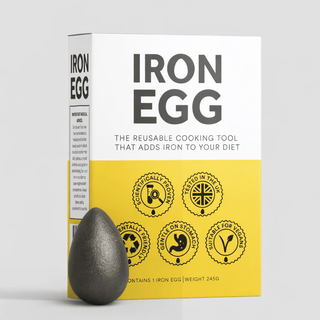
Fortified foods cover the shop-bought side. For meals you make from scratch, there's the Iron Egg. It's a solid piece of cast iron, shaped like an egg. Pop it into the pan while a soup, stew or sauce cooks, with a squeeze of lemon or something acidic to help it release more iron, then lift it out, rinse and dry it. Iron Enrichment™ is adding natural iron to everyday food as you cook it. The Iron Egg® adds natural iron to your food as it cooks, and it is UK lab tested.
Try it tonight
Have a look at your cereal box tonight and see whether the nutrition panel lists iron. If it's low, that's an easy swap next shop, and pair tomorrow's breakfast with a glass of orange juice so you take up more of the iron. For more, see our iron-rich foods list and our guide to getting iron from food.
Questions people ask
Is iron added to bread in the UK?
Yes, through the flour. Most non-wholemeal wheat flour in the UK has iron added to it by law, so ordinary white and brown bread carries some. Wholemeal is one exception.
Which breakfast cereals are highest in iron?
Where iron is listed, the nutrition panel on the box shows it. Fortified cornflakes hold around 12 mg of iron per 100 g, the same cereal unfortified under half a milligram, so look for the iron line and the percentage beside it. A glass of orange juice alongside helps your body take up more of the iron.
How much iron is added to flour by law?
At least 1.65 mg per 100 g of most non-wholemeal flour, rising to at least 2.10 mg per 100 g from 13 December 2026. Wholemeal flour, flour from very small mills and a few special flours are exempt.
Does wholemeal bread miss out because it is not fortified?
Wholemeal flour is one of the exemptions, so no iron is added to it. It holds about 2.5 mg of iron per 100 g from the whole grain.
What is a fortified food?
Food with nutrients added that weren't there, or were lower, to begin with. In the UK, adding iron and other nutrients to most non-wholemeal flour is required by law, and some breakfast cereals have iron added on top of that.