Haem and non-haem iron: the difference in your food
Updated 26 November 2026 · 3 min read
The short answer
A plate of lentils and a plate of steak can both show a good iron figure, yet your body won't take up the same amount from each. That comes down to the kind of iron in them, and the kind changes what helps on the plate.
What is the difference between haem and non-haem iron?
Haem iron, spelled heme in the US, is the kind in meat and fish, and your body takes it up fairly easily. Non-haem iron is the kind in plants and in fortified foods, and your body takes up less of it. From a mixed diet, people with low iron stores take up roughly 14 to 18 per cent of the iron they eat; from a vegetarian diet, roughly 5 to 12 per cent. What else is on the plate raises or lowers how much of the non-haem iron you take up, which is where your cooking comes in.
Which foods have haem iron?
Haem iron comes from animal foods: meat, offal such as liver, poultry and fish. Liver is best left out if you're pregnant, as it's high in vitamin A. If you eat meat a few times a week, some of your iron already arrives in this easy-to-absorb form.
Which foods have non-haem iron?
Non-haem iron is the plant side, and the list is long: lentils, beans and chickpeas, tofu and tempeh, dark leafy greens, nuts and seeds, and dried fruit such as apricots. Fortified foods count too: UK law adds iron to most non-wholemeal wheat flour, at least 1.65 mg per 100 g, rising to at least 2.10 mg per 100 g from 13 December 2026, so bread made with it adds to the total. If you eat little or no meat, most of the iron on your plate is this non-haem kind.
How do I get more from non-haem iron?
Two habits help. Add vitamin C to the meal, a squeeze of lemon or some chopped peppers, which raises how much non-haem iron you take up from that meal. And keep tea and coffee out of your iron-rich meals, since the compounds in them can cut how much iron you take up, sometimes by a lot.
Iron from the pot
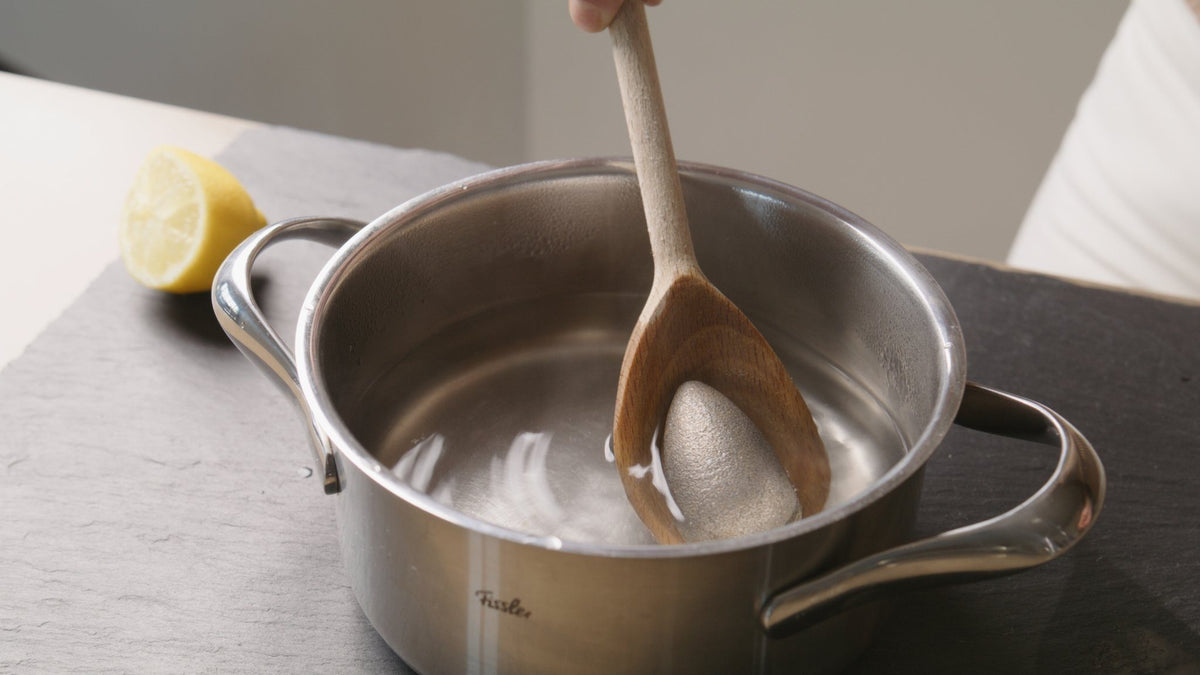
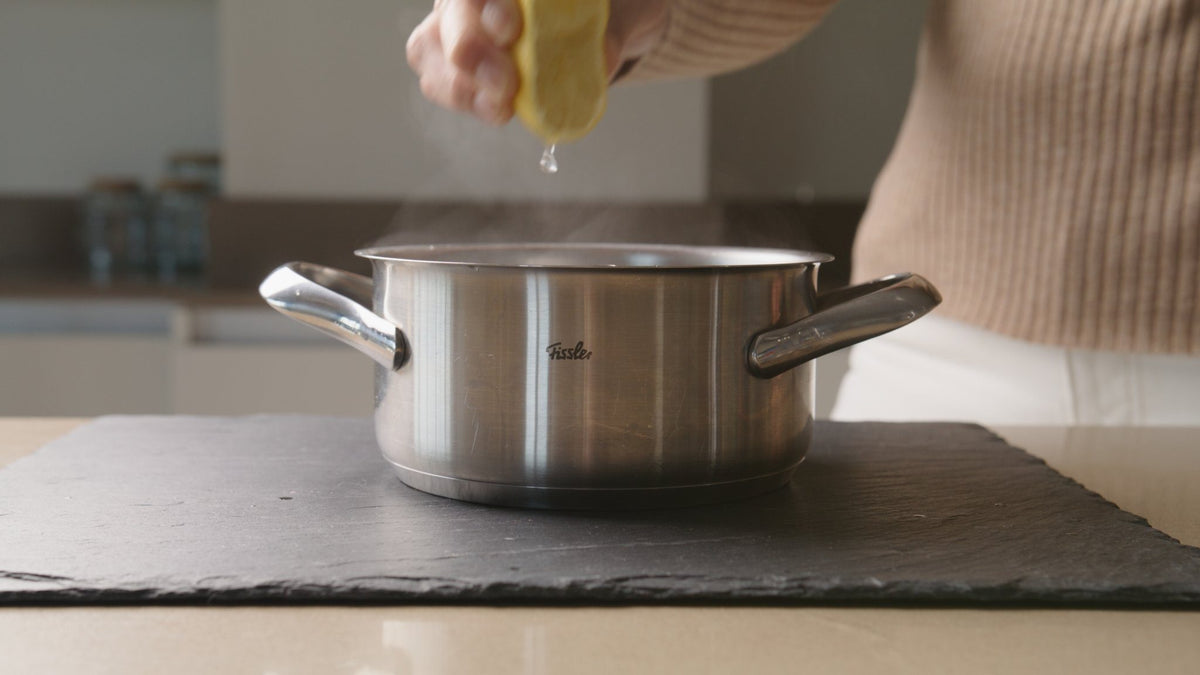
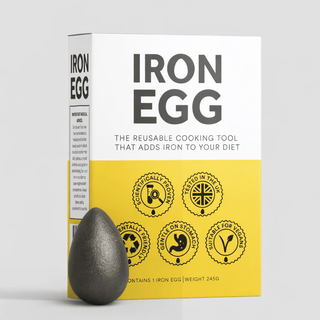
The Iron Egg is a solid piece of cast iron you cook with. Drop it into the pan while it cooks, whether that's a soup, a stew or a pot of sauce, add a squeeze of lemon or a tin of tomatoes so it releases more iron, and fish it out once the cooking's done, then rinse and dry it. That's Iron Enrichment™: adding natural iron to everyday food as you cook it. The Iron Egg® adds natural iron to your food as it cooks, and it is UK lab tested.
Try it tonight
If most of your iron comes from plants, give one plant meal a hand tonight. Cook a lentil or bean dish, finish it with a good squeeze of lemon, and have water or a small glass of orange juice alongside it. Our guide to iron in food has the wider picture, and our iron-rich recipes are built around these pairings.
Questions people ask
Is haem or non-haem iron better?
Haem iron, from meat and fish, is taken up more easily. Non-haem iron, from plants, is taken up less well, but you can raise how much gets through by pairing it with vitamin C and keeping tea and coffee out of the meal.
Is the iron in spinach haem or non-haem?
Non-haem, like all plant iron. Vitamin C on the same plate helps your body take up more of it.
Does cooking in cast iron add iron to food?
Yes. Food cooked in cast iron usually picks up iron, especially acidic dishes cooked for a while. That's the idea behind the Iron Egg, and you can see how we tested it.