Fruit high in iron
Updated 26 November 2026 · 3 min read
The short answer
Start with the cupboard. A handful of dried apricots stirred into porridge, or raisins through a tagine, is an easy way to put iron on the plate, and some vitamin C alongside, a squeeze of lemon or a glass of orange juice, helps you take up more iron from plant foods.
Which fruits have the most iron?
Fully dried fruit holds far more iron than fresh, gram for gram. Among the everyday dried fruits, fully dried figs and apricots lead at just over 4 mg per 100 g, with prunes, dates and raisins behind them.
| Fruit | Iron (mg per 100 g) |
|---|---|
| Dried figs, fully dried | 4.2 |
| Dried apricots, fully dried | 4.1 |
| Prunes, dried | 2.9 |
| Raisins | 2.2 |
| Dates, dried | 2.2 |
| Sultanas | 2.2 |
| Dried mixed fruit | 2.2 |
| Fresh fruit, for comparison | |
| Blackcurrants, raw | 1.3 |
| Passion fruit | 1.3 |
| Blueberries | 0.6 |
| Raspberries | 0.4 |
| Strawberries | 0.3 |
| Banana | 0.3 |
| Orange | 0.1 |
| Apple | 0.1 |
Figures from McCance and Widdowson's UK food dataset, per 100 g as eaten. The dried figures are for fully dried fruit; the soft ready-to-eat kind is lower, around 1.4 mg per 100 g, closer to a blackcurrant than to a fully dried fig.
Is fresh fruit worth eating for iron at all?
Not on its own, really. Most fresh fruit is low in iron. What helps is vitamin C in the same meal, which lets your body take up more of the iron from plant foods like lentils, beans and greens. A squeeze of lemon over a lentil dish, or a glass of orange juice alongside it, does that job.
How do I use fruit to get more iron?
Keep some vitamin C next to your iron foods, a squeeze of lemon over a lentil dish or a glass of orange juice with breakfast. And use dried fruit as a snack or topping in its own right, a few dried figs on their own, or chopped prunes through a grain salad.
Can cooking add iron to fruit dishes too?
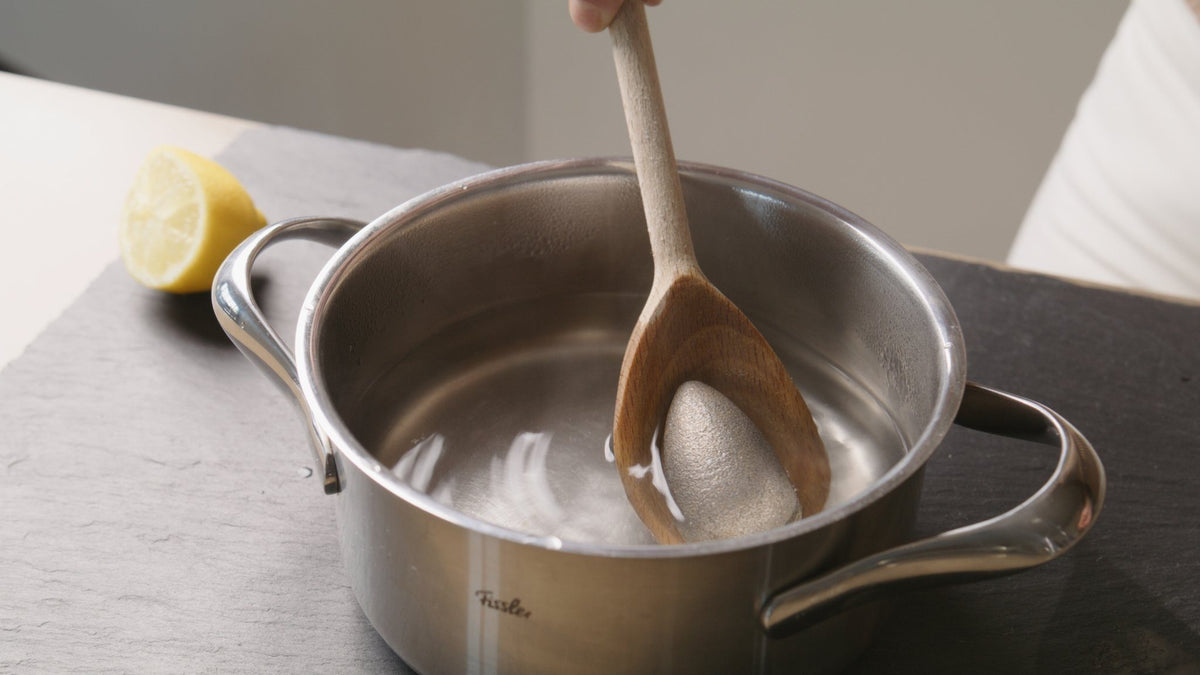
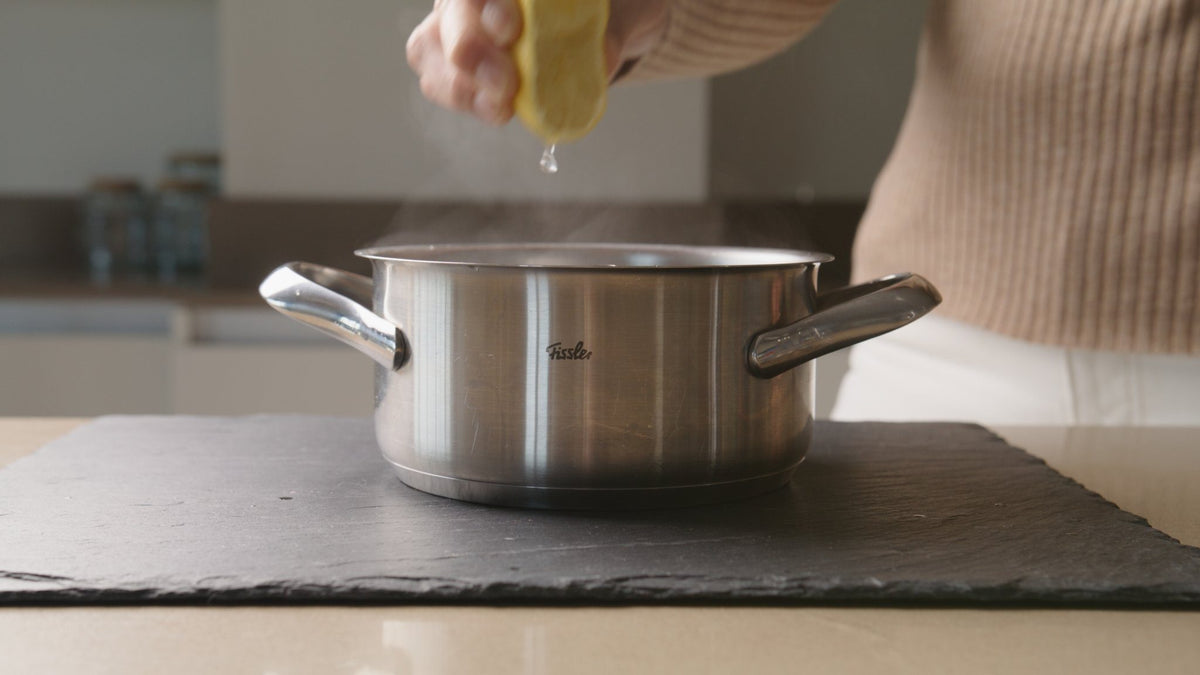
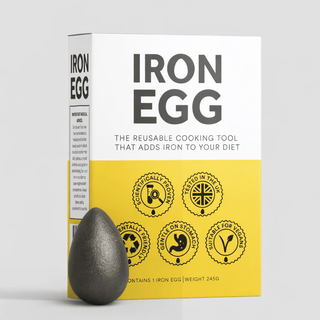
Yes. Food cooked in cast iron usually picks up iron, especially acidic dishes with liquid cooked for longer. That's Iron Enrichment™: adding natural iron to everyday food as you cook it. The Iron Egg is a solid piece of cast iron you cook with. Drop it into the pan while your fruit stews, or into boiling water with a squeeze of lemon, then lift it out, rinse and dry it. The Iron Egg® adds natural iron to your food as it cooks, and it is UK lab tested.
Try it tonight
Stew a handful of dried apricots or some berries into a quick compote with a squeeze of lemon, and spoon it over yoghurt or porridge. If you've got an Iron Egg, drop it into the compote while it cooks, then lift it out before serving, rinse and dry it. Our iron-rich recipes have more ideas built around the same pairings.
Questions people ask
Which fruit has the most iron?
Fully dried fruit. Figs reach 4.2 mg and apricots 4.1 mg per 100 g; the soft ready-to-eat kind is lower, around 1.4 mg. Prunes, dates and raisins follow.
Is fresh fruit high in iron?
Most fresh fruit is fairly low in iron. To take up more iron from plant foods, add vitamin C at the meal, a squeeze of lemon or a glass of orange juice.
Where does fruit fit for iron?
Fruit plays a supporting role. The dried kind adds some iron, and a squeeze of lemon or a glass of orange juice at the meal helps you take up more iron from plant foods. Our guide to iron in food has the bigger picture, and our list of iron foods covers them one by one.
What fruit is good for iron absorption?
Vitamin C at the meal helps your body take up more of the iron from plant foods, so have a squeeze of lemon or a glass of orange juice alongside them.
Are raisins and dried apricots good for iron?
Fully dried apricots hold 4.1 mg of iron per 100 g, and raisins 2.2 mg; the soft ready-to-eat apricots are lower. A handful makes a useful snack or porridge topping.