What is Iron Enrichment™? Adding natural iron to everyday cooking
Updated 26 November 2026 · 2 min read
The short answer
There are two ways to do it, and both fit around normal cooking. You can cook in a cast iron pan, or you can drop a piece of iron made for it into the pan while the food or water cooks. Either way the food or the water usually ends up with more iron.
Does cooking in iron really add iron?
Yes. Researchers cooked twenty different foods in iron and non-iron pans and found most had more iron afterwards, with acidic, wet dishes cooked for longer taking up the most. A review that gathered studies of iron pots and iron pieces found the same: cooking with them raised the iron in the food.
Where it fits
The UK's advice on iron is a varied, balanced diet with a range of iron-rich foods. Iron Enrichment fits alongside that: one more place iron comes from, in a meal you were going to cook anyway. You can find the rest of our iron guides in one place.
How much iron does it add?
It depends on the dish and the cooking. An acidic dish with plenty of liquid, left on the heat, takes up more than a quick turn in a dry pan. No single figure fits every dinner. It usually adds to the iron a meal already carries.
How do I do it at home?
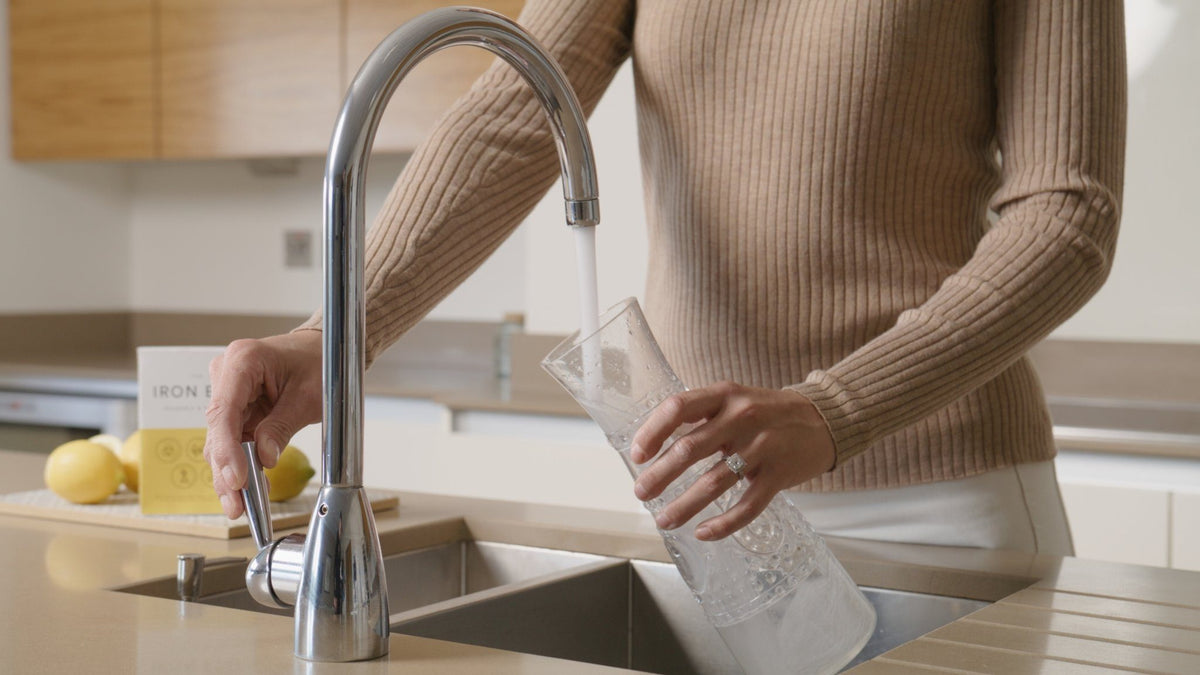
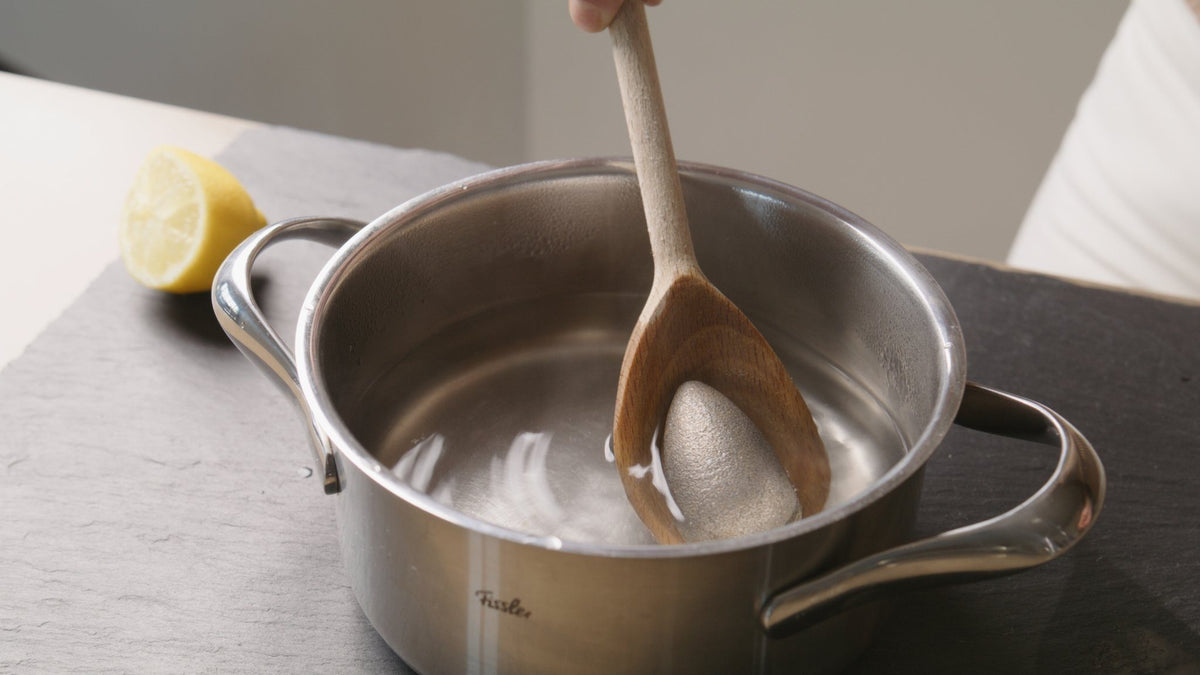
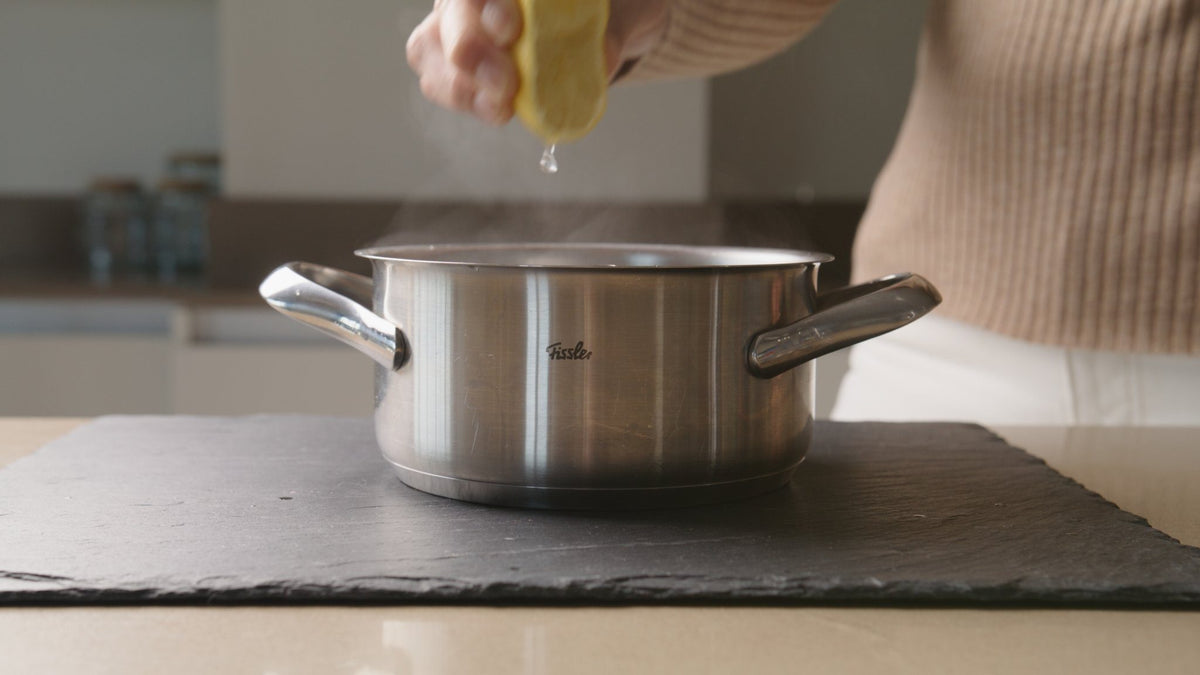
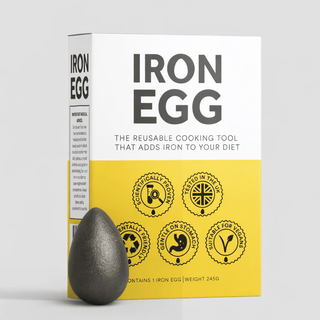
In the kitchen it's either the pan or the egg. You can cook in cast iron, in dishes like a tomato sauce, a dahl or a stew. Or you can use the Iron Egg, a solid piece of cast iron you drop into a pan of boiling water, or into a soup, stew or sauce as it cooks, with a squeeze of lemon, then lift it out, rinse and dry it. The Iron Egg® adds natural iron to your food as it cooks, and it is UK lab tested.
Try it tonight
Cooking anything that simmers tonight, a bolognese, a chana masala, a pan of soup? Make it in cast iron and add something acidic, a squeeze of lemon or a tin of tomatoes. Or drop the Iron Egg into the pan with something acidic as it cooks, then lift it out, rinse and dry it. You'll find more dishes like these in our iron-rich recipes.
Questions people ask
Do I need the Iron Egg to do it?
No. Cooking in a cast iron pan usually adds iron to an acidic, slow-cooked dish. The Iron Egg is there for soups, stews and sauces, where you want the iron in the liquid, and for cooks without a cast iron pan.
Which dishes does it work best with?
Wet, acidic dishes given time on the heat, like tomato sauces, dahls and stews. A quick, dry fry takes up less.
Does it really add iron to food?
Yes. In the research, food cooked in iron usually came out with more iron than the same food cooked without it.
How much iron does it add?
The amount changes with the dish, the acid and the cooking time, so there's no single figure to give. It usually adds to the iron the meal already carries.